وصف الدورة
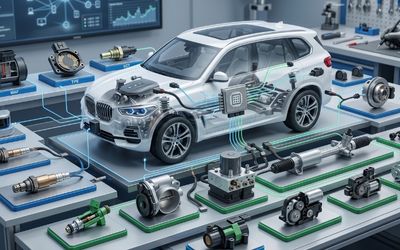
The Vehicle Sensors and Actuators course is designed to provide learners with a solid understanding of two of the most essential elements in modern automotive systems: sensors and actuators. These components serve as the “senses” and “response mechanisms” of a vehicle, enabling electronic control units to monitor conditions and execute actions accurately.
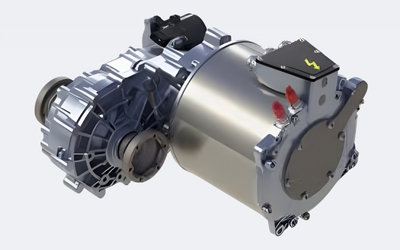
Throughout this course, learners will explore the working principles, functions, and applications of a wide range of sensors used in vehicle systems, including temperature sensors, pressure sensors, speed sensors, throttle position sensors, oxygen sensors, and more. The course also covers the operation of actuators such as fuel injectors, solenoids, electric motors, relays, and other control devices that respond to signals from the vehicle’s electronic control unit.
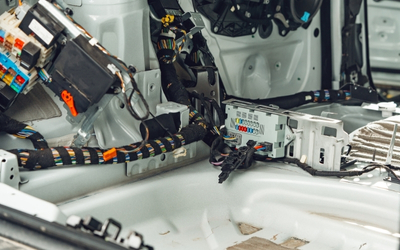
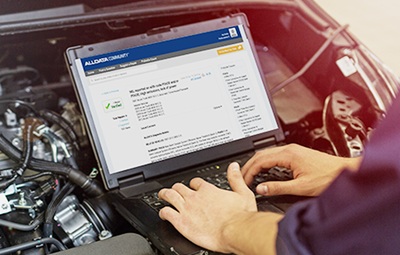
In addition, the course explains how sensors and actuators interact within automotive electronic systems, how signals are transmitted and processed, and how control decisions are executed in real time. Special focus is given to practical aspects such as common faults, troubleshooting methods, and the use of diagnostic tools and measuring instruments to test system performance.
By combining theoretical knowledge with practical diagnostic insight, this course helps learners build a strong foundation in automotive electronics and enhances their ability to understand, inspect, and maintain modern vehicle systems.